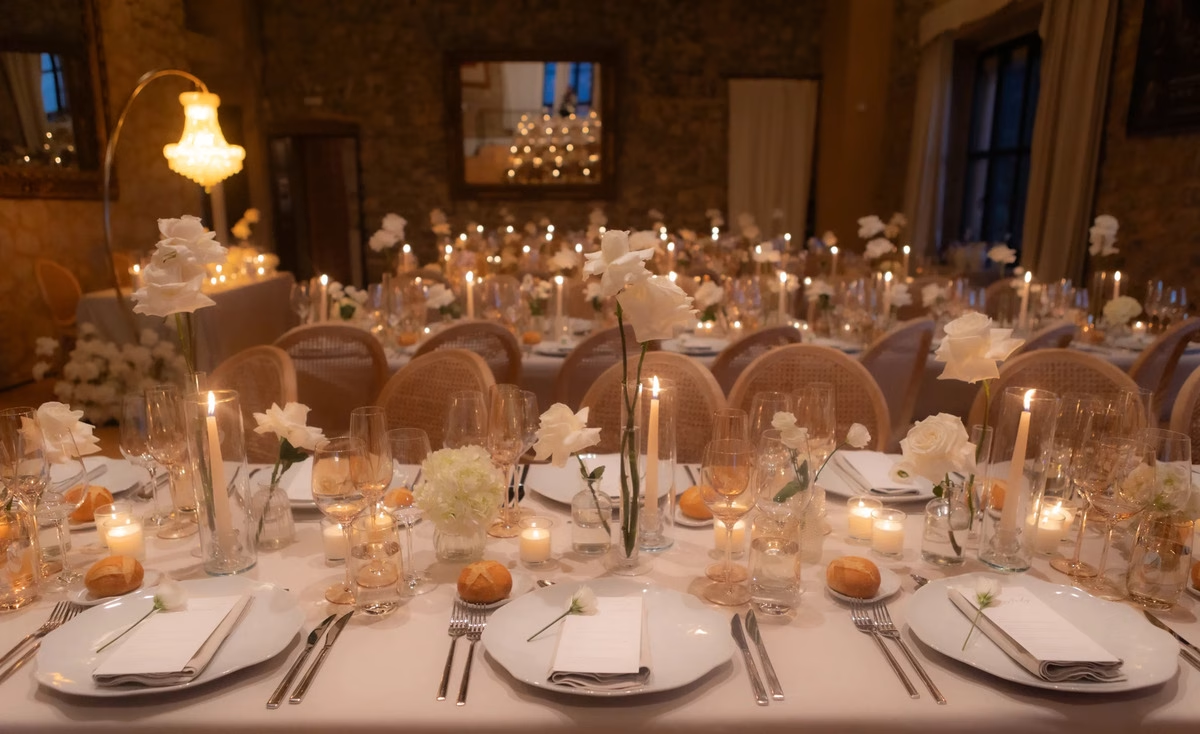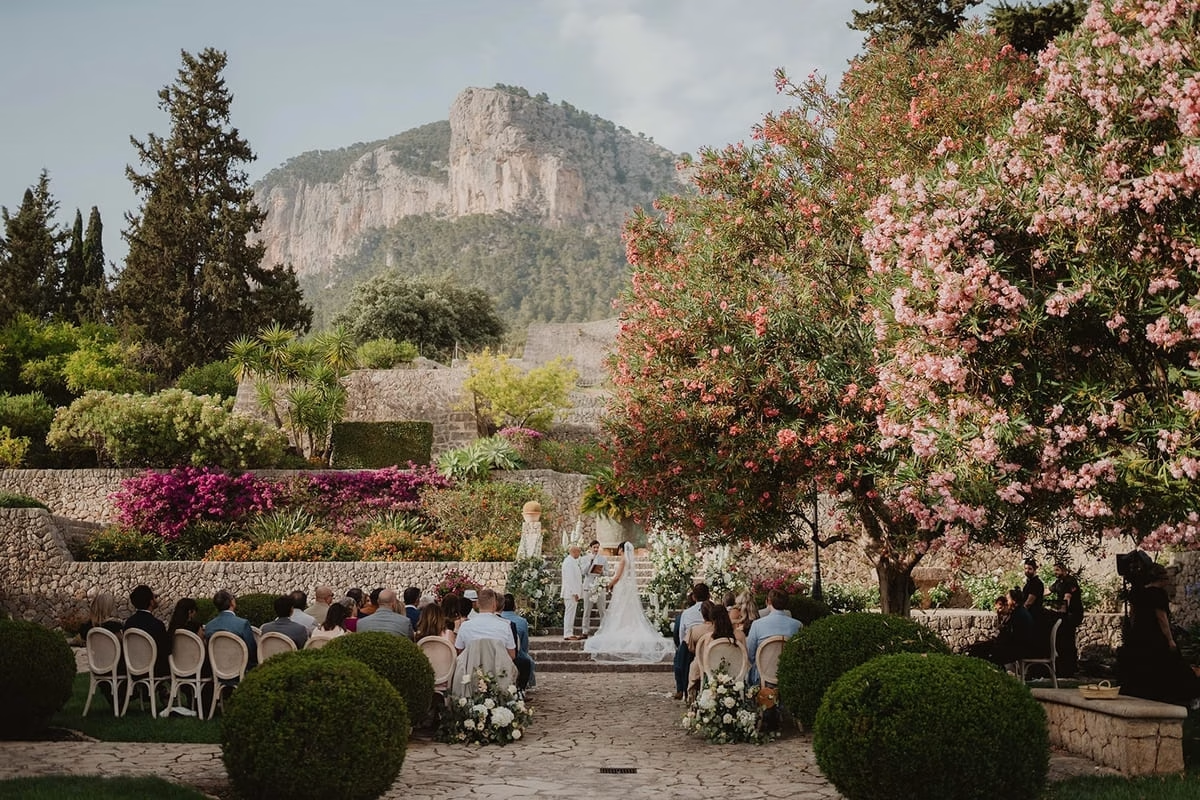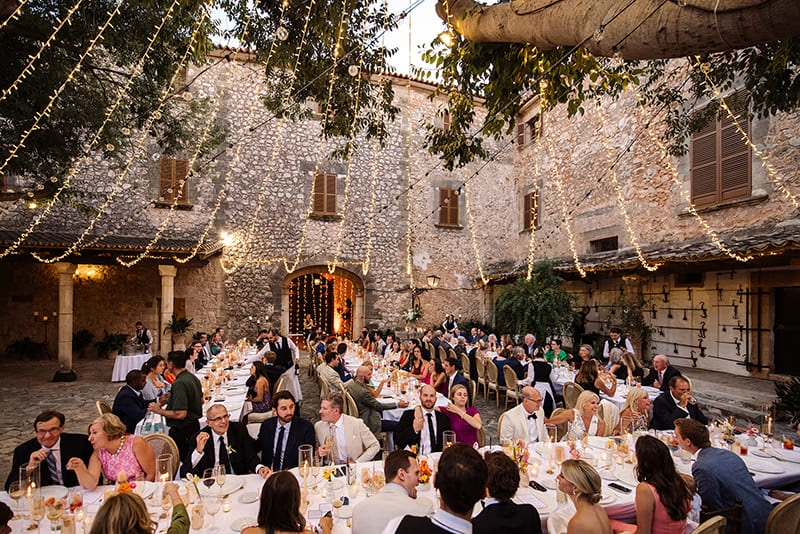
There is a reason a European wedding sits at the top of so many couples’ lists. Centuries-old architecture, Mediterranean light, food worth travelling for, and a sense of occasion that is hard to recreate anywhere else.
But once the idea becomes a plan, the questions start. Which country should be the chosen one? How do you organise a wedding from another continent? Who do you trust on the ground?
This guide walks you through what planning this type of wedding actually involves, and why so many international couples end up choosing one particular island: Mallorca.
What makes a European wedding different?
A European wedding is not simply a wedding that happens in Europe. It usually means a smaller, more intentional guest list, a celebration that stretches across more than one day, and a strong connection to the place itself.
Guests fly in, they stay for several nights and explore the region before and after the ceremony. That changes the whole shape of the event. Instead of one long day, you are hosting an experience, and the destination becomes part of the story rather than just a backdrop.
It also changes the planning. You are coordinating suppliers you cannot visit every week, navigating a different language and legal system, besides managing logistics for guests arriving from several countries at once.
None of that is a reason to step back. It is simply a reason to choose your destination and your team carefully.
Why does Mallorca stand out among European wedding destinations?
Italy and France dominate the conversation when we talk about European weddings, and both are beautiful. But Mallorca offers something those destinations struggle to match: everything within reach.
Short distances, big Variety
The island measures roughly 100 kilometres across. In under an hour you can move from a mountain village to a stone finca surrounded by olive groves to a terrace above the sea.
That means your guests are not spending half the weekend in transfers, and you can build a multi-day celebrationacross different settings without anyone losing a day to the road.
Easy to reach from everywhere
Palma airport connects directly to most major European cities, with high frequency in the wedding season. For guests flying from the US, a single connection through Madrid, Barcelona or London is usually all it takes.
A season that lasts
Mallorca’s wedding season runs from spring well into autumn, and the shoulder months are genuinely pleasant. May, June, September and October offer warm days without the crowds or the peak-season prices.
Even winter has its appeal for couples wanting something quieter, as we explain in our piece ongetting married in winter in Mallorca.
An infrastructure built for this
This is the detail couples discover late. Mallorca has been hosting international weddings for decades, which means the local supplier network is used to working in English, with international standards and with couples who are not physically present.
Caterers, florists, photographers and venues here understand destination weddings because that is most of what they do.
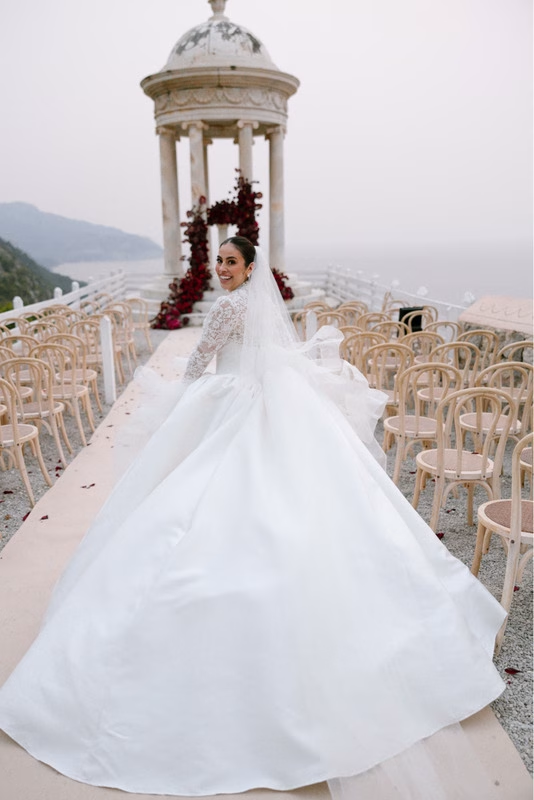
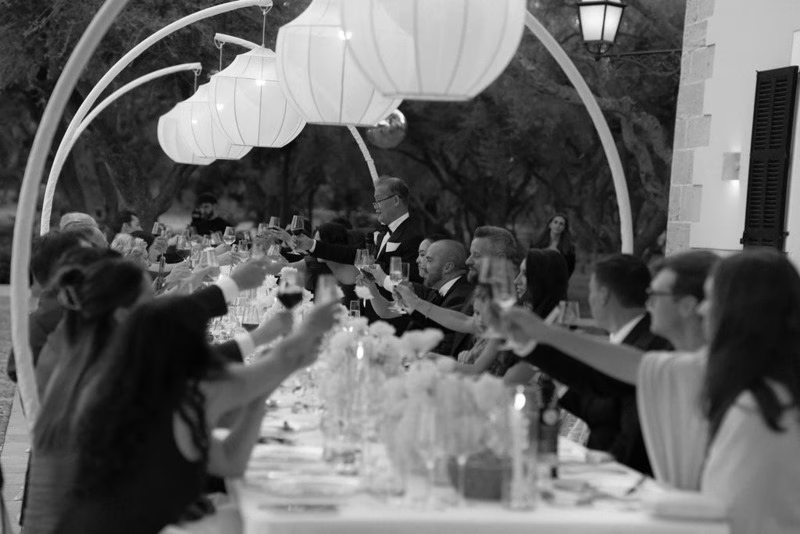
Photography by Abraham Garcia Photography
How much does a European wedding in Mallorca cost?
Budget is usually the second question after location, and the honest answer is that it depends almost entirely on your guest count and the level of detail you want.
What tends to surprise couples is that Mallorca often compares favourably to Lake Como or the Côte d’Azur for a similar standard of venue and service. For a full breakdown by category, you can check our article about how much a destination wedding in Mallorca costs in 2028.
How to find European wedding planners who work with US clients?
Start with planners based in the destination itself, then filter by one question: will they represent you on the ground when you cannot be there?
Plenty of planners say they welcome international couples, but far fewer are built around them. The difference shows in the details: who signs the Spanish-language supplier contracts, who attends the tasting you have to miss, and whether calls are scheduled for your morning or theirs.
Juliet’s Wedding Planner is a Mallorca-based business founded by Vanesa Sastre, specialising in destination weddings for couples who live abroad. We did not expand into the international market, we started there.
The majority of our couples are based outside Spain, with the United States consistently among our largest markets, alongside the UK, Germany and Scandinavia. Working across time zones is not an accommodation we make, it is how our week is structured.
Being on the island year-round means we are the ones walking the venue before you commit, checking how the light falls at the hour of your ceremony, and renegotiating with a supplier when something needs to change. Everything reaches you in English, including contracts we translate and explain rather than forward.
See how all of this comes together in ourfull-service planning, or explorewedding coaching if you prefer to stay hands-on with expert guidance at the right moments.
Photography by Two Naked Souls
Best venues for a European wedding in Mallorca
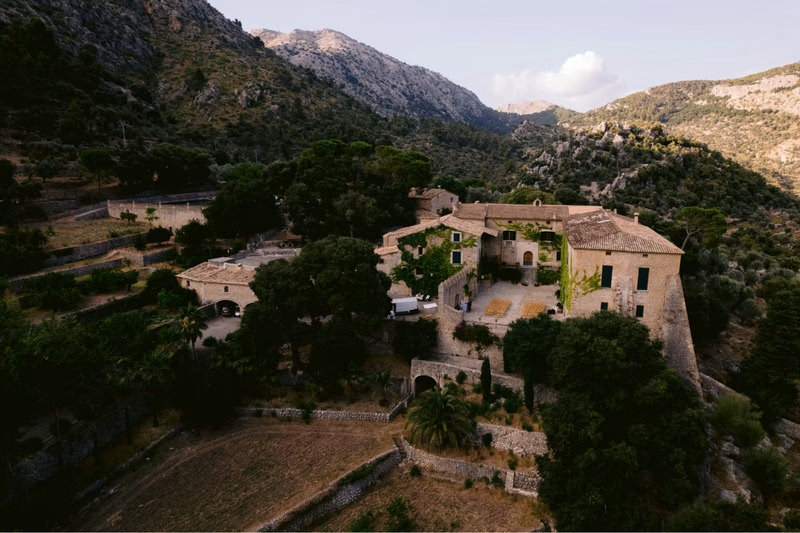
The strongest venues in Mallorca for a European wedding fall into three groups: historic estates and gardens, rural fincas, and coastal properties with sea views. The right one depends on your guest count, your season and the atmosphere you want.
Historic estates deliver the Europe people picture.Jardines de Alfabia, with its Moorish gardens and water features, andSon Marroig, perched above the Tramuntana coastline, both carry centuries of history and a setting that needs very little decoration.
Rural fincas are the most flexible option, and the most popular. Properties likeFinca Son Togores andFinca Serena combine stone architecture with open countryside, and many offer on-site accommodation so guests can stay through the weekend.
Coastal and hotel venues suit couples who want sea views and full service in one place. Our selection of properties for ahotel wedding in Mallorca covers the options worth knowing.
Capacity is the detail that narrows the list fastest. A venue that feels perfect for 60 guests can feel tight at 120, which is why we put together a dedicated guide to thebest wedding venues for 100 guests. And if you are still weighing options, our article onhow to choose your wedding venue in Mallorca covers the criteria that matter beyond the photographs.
Photography by Billie Media
Planning a European wedding without the stress
The part couples underestimate is not the big decisions, it is the hundred small ones that follow. Supplier contracts in another language, guest transport across unfamiliar roads, timelines that have to account for flights, sunset and a local curfew you did not know existed.
This is exactly where a planner based on the island changes the experience. Not by taking the decisions away from you, but by making sure each one is informed and that nothing falls through the gaps between them.
At Juliet’s, we are based in Mallorca year-round. We know which venues handle multi-day bookings well, which suppliers deliver consistently, and how to shape a weekend that feels relaxed rather than overscheduled.
If a European wedding in Mallorca is what you have in mind,get in touch with us. Tell us your guest list, your season and the kind of weekend you are imagining, and we will show you what it could look like.
Frequently asked questions about European weddings
Here are a few practical points couples often ask about before committing to a European wedding.
Do we need to speak Spanish to plan a wedding in Mallorca?
No. The local wedding industry works in English daily, and your planner handles anything that comes in Spanish, including supplier contracts.
How many guests usually attend a European destination wedding?
Most fall between 50 and 120. Guest lists tend to shrink naturally when travel is involved, which is part of why these weddings feel more intimate.
What is the weather like during the wedding season?
Warm and dry from May to October, with July and August reaching peak heat. September and early October are often the most comfortable for outdoor ceremonies.